
Two-Way SMS: The New Performance Layer for Lead Generation
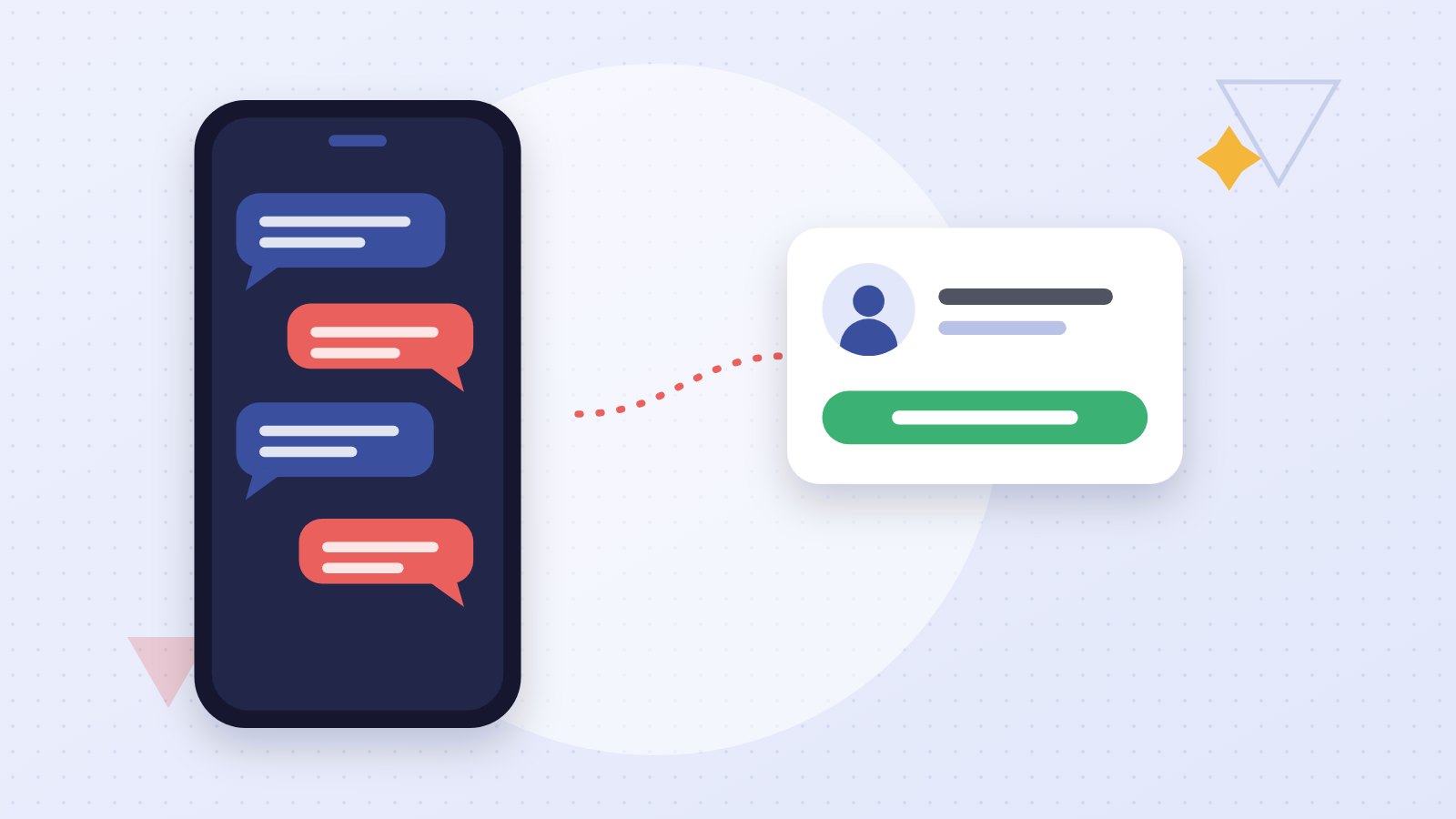
SMS has always had one obvious advantage: it gets noticed quickly. The strategic question in 2026 is no longer whether people see texts. It is whether your SMS programme can turn that attention into cleaner intent data and better follow-up.
That is where two-way SMS changes the job of the channel. Instead of treating SMS as a one-directional broadcast tool, performance marketers can use replies, opt-outs, questions and keyword responses as live feedback from the market. For lead generation, that feedback is often more valuable than another marginal creative variation.
Why two-way SMS matters now
Consumers are still willing to engage with business texts, but expectations are rising. EZ Texting's 2026 Consumer Texting Behavior Report found that 72% of consumers read business texts within five minutes, 82% reply within 15 minutes, and 70% expect a business to respond within one hour after they send a message. Those numbers point to a simple reality: if a brand invites a reply, the operational follow-through has to be ready.
For lead generation teams, that creates a useful performance layer between campaign delivery and final conversion. A reply can identify whether a contact is interested, confused, not qualified, not ready or should be suppressed. Each of those outcomes should change what happens next.
The hidden value is in the response data
A broadcast SMS campaign usually reports on delivery, clicks, conversions and opt-outs. A two-way programme adds richer signals:
- Positive intent: replies such as yes, call me or product-specific questions can be routed to sales while the lead is warm.
- Objection data: repeated questions about price, timing or eligibility show where the offer or landing page needs work.
- Suppression intelligence: opt-outs, complaints and wrong-person replies improve future targeting quality.
- Channel preference: some leads want a call, some prefer SMS, and some should be moved into email nurturing.
This is especially important when campaign volume is high. Small improvements in contactability, routing and exclusion logic compound quickly when a campaign is sending thousands or millions of messages.
Compliance is part of performance
In South Africa, SMS marketing cannot be separated from consent and data governance. POPIA section 69 deals specifically with direct marketing by unsolicited electronic communications, including SMS, and the Information Regulator's direct marketing guidance reinforces the need to manage consent and customer status properly. Good compliance practice is not just defensive. It improves performance by keeping campaigns focused on people who have a lawful, relevant reason to receive the message.
A practical two-way SMS workflow should therefore connect campaign responses back into suppression lists, consent records, lead source data and sales outcomes. If those signals remain trapped in an inbox or a messaging dashboard, the marketing system learns nothing.
What a practical two-way SMS workflow looks like
A strong operating model does not have to be complicated. It needs four things:
- Clear reply paths. Tell recipients what to do next: reply YES, request a call, ask a question, or opt out.
- Fast routing. High-intent replies should be routed to the right sales team or callback queue quickly.
- Automated classification. Common responses should be tagged as interested, not interested, invalid number, complaint, opt-out or needs human review.
- Closed-loop reporting. Match replies and outcomes back to campaign, segment, data source and creative message.
That last point is the difference between sending messages and building a performance engine. Once reply quality is measured by source and segment, budget can move toward the data that produces actual conversations rather than vanity engagement.
How Leadify can use this as a competitive advantage
Leadify already focuses on performance marketing, SMS campaign automation, data quality and analytics. Two-way SMS fits naturally into that model because it turns the recipient's response into structured campaign intelligence. The result is better lead routing, cleaner exclusions, more useful reporting and a stronger link between marketing spend and sales outcome.
The takeaway is straightforward: SMS performance in 2026 will not be won by sending more messages. It will be won by listening better to the responses that campaigns already generate.

About the author
David Farrell
David is the CTO of Leadify (Pty) Ltd